Sweet Things Inside: A Designer’s Review for Embroidery Projects
When I evaluate a new digital asset for my embroidery workflow, I am rarely looking at it as just a graphic. I am looking at it as a set of instructions for thread, fabric, and tension. Most designers know that a pretty picture does not always translate into a clean stitch-out. This is where the true value of an embroidery file lies. Today, I am putting Sweet Things Inside under the microscope to see if it holds up in real-world production environments, from quick custom gifts to high-volume small business merchandise.
First Impressions and Visual Personality
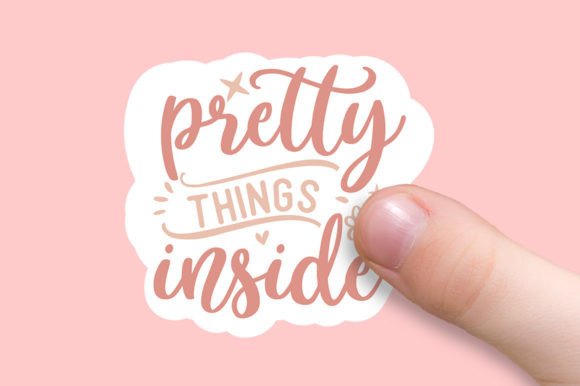
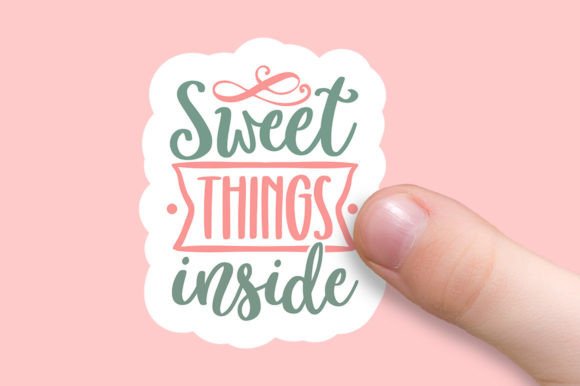
The title Sweet Things Inside immediately suggests warmth, intimacy, and perhaps a touch of playful nostalgia. In the crowded landscape of Valentine’s Day graphics, this design avoids the cliché of heavy, overwhelming hearts or overly complex romantic scenes. Instead, it leans into a cleaner, more modern aesthetic that feels approachable. For an embroiderer, simplicity is often your best friend. It allows the quality of the stitching to take center stage without fighting against visual noise.
As a piece categorized under Crafts and Graphics, it bridges the gap between a decorative accent and a statement piece. The layout appears balanced, suggesting that it could serve well as a chest placement on apparel or a central focal point on home goods. My initial observation is that the design relies on clear shapes rather than intricate, hairline details. This is a smart choice for machine embroidery, where fine lines can easily get lost in the fabric weave or become tangled during the stitching process.
Real-World Application: The Custom Tote Bag Scenario
To truly test a design, you have to imagine it on a finished product. Let’s look at a common scenario for many Etsy sellers and small shop owners: creating a personalized gift set. Imagine a customer ordering a custom embroidered tote bag for a partner who loves baking or sweets. They want something that says "Sweet Things Inside" but also looks professional enough to carry to a coffee shop or farmers market.
In this context, Sweet Things Inside performs admirably. The phrase is legible, and the accompanying graphic elements (assuming they are stylized icons like candies, boxes, or simple hearts) provide visual interest without cluttering the canvas. When stitched onto a sturdy cotton canvas tote, the design gains texture and permanence. It transforms a mass-produced bag into a handmade product with emotional weight. Customers appreciate the effort involved in personalization, and a clean, well-executed design builds trust in the brand. If the stitching is dense and even, the finished product feels substantial and high-quality, encouraging repeat purchases.
Performance Across Different Mediums
While the tote bag is a strong candidate, the versatility of this design extends to several other categories. Because it is provided as SVG files compatible with cutting machines like Cricut and Silhouette, it offers flexibility for mixed-media projects. However, for pure machine embroidery design applications, here is how it might fare:
- Custom Apparel and Sweatshirts: On a fleece-lined sweatshirt, the design would create a cozy, inviting feel. The contrast between the soft fabric and the structured stitches adds depth. It works particularly well for holiday gifts or Valentine’s Day drops, fitting naturally into seasonal marketing strategies.
- Baby Items: Soft baby bodysuits or receiving blankets benefit from gentle themes. Sweet Things Inside has a sweetness that appeals to parents looking for nursery decor or baby shower gifts. The design is likely safe for delicate fabrics, provided the stitch density is moderate.
- Embroidered Patches: If used as a standalone motif, this design could be mounted on a patch backing. This is a popular trend in streetwear and casual fashion. The clear outlines make it easy to trim around after stitching, resulting in a crisp, professional-looking accessory.
- Kitchen Textiles: Tea towels and aprons are excellent canvases for text-based designs. The durability of embroidery on linen or cotton blends ensures that the message remains visible wash after wash, adding value to kitchenware sets sold by craft business owners.
Areas Requiring Caution and Technical Adjustment
No design is flawless in every application. As an experienced reviewer, I must highlight where Sweet Things Inside might present challenges depending on your equipment and material choices.
Hoop Size and Detail: If the design includes tiny lettering or very fine decorative accents, you must verify the minimum hoop size required. Stitching small details on a large hoop can sometimes lead to instability or distortion. Always zoom in on the digitization preview to ensure that critical elements are large enough to be read clearly after stitching.
Fabric Texture and Stability: The performance of any embroidery project depends heavily on the substrate. Avoid using this design on highly textured fabrics like chunky knits or loose-weave burlap unless you are prepared for potential thread breaks or misalignment. Similarly, stretchy fabrics like jersey require a strong stabilizer to prevent puckering. Without proper support, the stitch density may pull the fabric out of shape, ruining the silhouette of the garment.
Color Contrast: Embroidery relies on contrast. If you plan to use light-colored thread on a dark background, ensure the design has sufficient fill or satin coverage to stand out. Conversely, white thread on white fabric will disappear. Test your thread colors against your actual fabric swatches before committing to a full production run.
Practical Notes for Designers and Sellers
Before integrating Sweet Things Inside into your catalog or personal projects, consider these practical steps to ensure success:
- Test on Scrap Fabric: Never assume a design will stitch perfectly on the first try. Run a test on the exact type of fabric and stabilizer you intend to use. This helps you adjust tension and identify any potential threading issues.
- Check Licensing: As a digital product seller, you must understand the terms of use. Confirm whether the license allows for commercial sale of physical items made from the design. Some licenses restrict the number of units you can sell or prohibit resale of the digital file itself.
- Review Stitch Types: Analyze the balance of satin stitch, fill stitch, and running stitch. A good mix ensures smooth operation and a polished look. Excessive running stitch can look sparse, while too much fill can make the item stiff.
- Create Printable Mockups: Use the design to create realistic mockups for your online store. Seeing the design applied to different products helps customers visualize the final result and increases conversion rates for your commercial embroidery services.
Final Verdict
Sweet Things Inside is a solid addition to any designer’s library, particularly those focusing on seasonal themes, gifts, and lifestyle products. Its clean aesthetic and versatile layout make it suitable for a wide range of applications, from custom apparel to home decor. While it requires standard precautions regarding fabric choice and hoop stability, its overall appeal is high. For creative entrepreneurs looking to add a touch of warmth and professionalism to their offerings, this design delivers both style and substance. It is a reliable tool for creating memorable, high-quality handmade goods that resonate with buyers.