Pretty Things Inside: An Embroidery Review for Real Projects
When I first pulled Pretty Things Inside from my design folder, I didn’t just see a graphic; I saw a potential bestseller. As an experienced designer who reviews embroidery files daily, I look past the pretty preview image and focus on what happens when that design meets the needle, the hoop, and the fabric. This Valentine SVG sticker-style design sits squarely in the Crafts and Graphics categories, but its true value is revealed only when it is digitized or transferred into a tangible embroidery project. Today, I’m breaking down how this file performs in real-world scenarios, from boutique apparel to personalized gifts, so you can decide if it belongs in your next production run.
First Impressions: Mood and Visual Personality
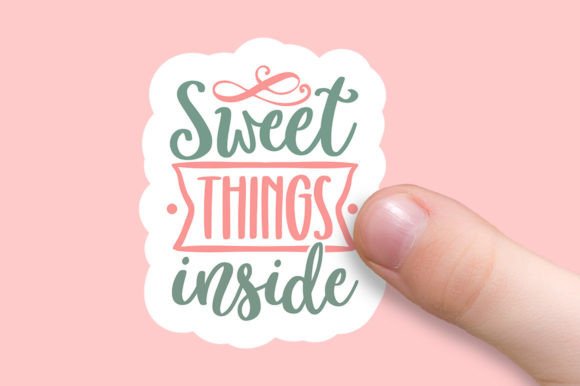
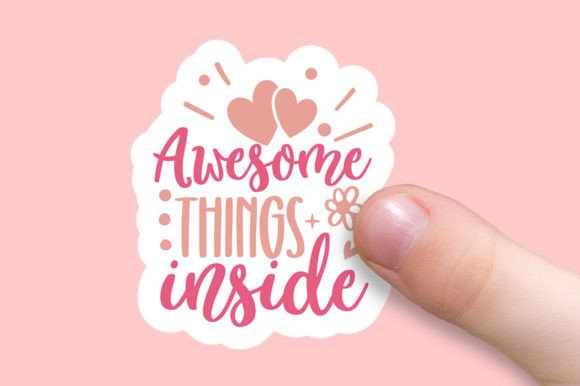
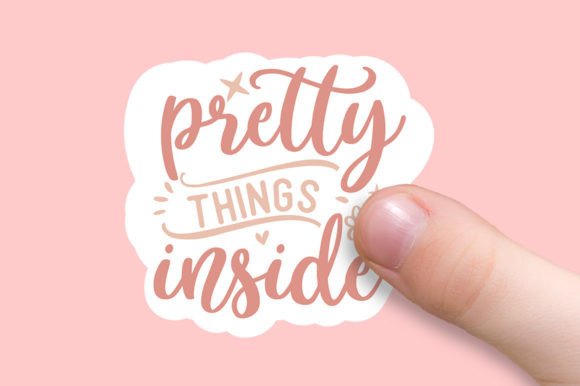
The name Pretty Things Inside suggests intimacy, warmth, and a touch of whimsy. Visually, the design leans heavily into the "sticker" aesthetic popular in modern crafting. It feels clean, bold, and approachable. For an embroiderer, the immediate question is always: does this translate well from a flat vector to textured thread? In this case, yes. The layout appears to balance negative space with enough visual weight to hold its own on various surfaces. It doesn’t scream for attention like a chaotic pattern; instead, it offers a quiet confidence that works beautifully for lifestyle brands, nursery decor, and heartfelt gifts.
The mood is undeniably affectionate without being overly cliché. It avoids the heavy-handed hearts and cupids that saturate the market every February, making it a versatile choice for year-round use as well. Whether you are creating a custom apparel piece or a delicate baby embroidery item, the design’s personality remains consistent. It feels modern, curated, and ready for a high-end finish.
Real-World Application: Where Does It Shine?
I recently simulated using Pretty Things Inside for a client request: a set of matching aprons for a couple who loves cooking together. The design’s compact, badge-like shape made it perfect for the chest area of a canvas apron. Here is how it performed in that context:
- Custom Apparel & Sweatshirts: On a heavyweight cotton sweatshirt, the design popped. The contrast between the thread and the fabric texture added depth. It worked equally well on light heather gray or deep navy, proving its versatility across different fabric texture types.
- Tote Bag Design: A common pitfall in craft business items is placing designs too low on tote bags where they get lost. Placed centrally on a canvas tote, Pretty Things Inside acted as a focal point. It turned a simple bag into a statement accessory, increasing the perceived value of the handmade product.
- Baby Embroidery & Nursery Decor: The softness of the theme makes it ideal for baby onesies or muslin blankets. Because the design isn’t overly complex, it maintains a gentle aesthetic that parents appreciate. It fits seamlessly into a pastel color palette, enhancing the personalized gift appeal.
- Holiday Embroidery & Gifts: While themed around love, it isn’t strictly limited to Valentine’s Day. It works wonderfully for anniversaries, weddings, or even as a "just because" token. For an Etsy seller, this flexibility means you can list it year-round, not just during peak seasons.
Furthermore, for digital creators, this file serves as excellent design assets. You can create printable mockups showing the design on tumblers, stationery, and signs. These visuals help commercial embroidery clients visualize the final result before committing to production.
Where to Exercise Caution
No design is perfect for every surface. As a reviewer, I must highlight where Pretty Things Inside might struggle if not handled with care.
First, avoid placing this on highly curved surfaces like baseball caps unless you have a specialized cap frame. The flat, sticker-like nature of the design may distort slightly on tight curves, losing its crisp edges. Second, be mindful of small hoop sizes. If you attempt to stitch this at a very small scale, fine details might merge together, reducing clarity. Always inspect the stitch density in your digitizing software to ensure that tiny elements remain distinct.
Additionally, textured fabrics like bouclé wool or thick terry cloth can swallow up the detail of a satin stitch or running stitch combination. On such materials, the design may lose its definition. Similarly, thin or stretchy knits require proper stabilization to prevent puckering, which can warp the intended shape of the graphic. If you are working with dark fabric, ensure your thread colors provide sufficient contrast; otherwise, the design will blend in rather than stand out.
Practical Designer Notes for Execution
To get the most out of this machine embroidery design, follow these practical steps before running large batches:
- Test on Scrap Fabric: Never assume a design will behave perfectly. Stitch it out on the exact fabric you plan to use. Check how the thread colors interact with the material’s weave.
- Check Stabilizer Choice: The right stabilizer is crucial for maintaining the integrity of the design. For woven fabrics, a cut-away stabilizer often provides the best long-term durability, especially for items that will undergo frequent washing.
- Review Stitch Types: Examine the breakdown of fill stitch, satin stitch, and running stitch. Ensure that dense areas are balanced with open spaces to reduce thread breakage and machine strain.
- Black and White Mockup: Convert your design preview to black and white. This helps you assess the silhouette and composition without being distracted by color choices. If the shape reads clearly in grayscale, it will likely succeed in color.
- Licensing Confirmation: Before selling finished items, confirm the licensing terms. Some digital embroidery file licenses restrict commercial use or limit the number of units sold. Protect your small shop product line by staying compliant.
Final Verdict: Value and Professionalism
Pretty Things Inside earns its place in my library because it strikes a rare balance between simplicity and charm. It is not just a decorative element; it is a branding tool. When stitched onto a finished product, it conveys professionalism and thoughtfulness. Customers trust designs that look intentional and well-executed, and this file supports that trust.
For Etsy sellers and craft business owners, this design offers high ROI potential. It requires minimal setup time, works across multiple product categories—from aprons to patches—and appeals to a broad demographic. Whether you are creating a one-off personalized gift or scaling up production for a craft fair, Pretty Things Inside delivers a polished, engaging result.
In conclusion, if you are looking for a versatile, emotionally resonant design that elevates your handmade offerings, this is a strong candidate. Just remember to respect the limitations of your materials and machines. Test thoroughly, stabilize properly, and let the quality of your execution speak for itself. With careful preparation, Pretty Things Inside can become a staple in your repertoire, driving engagement and sales for your creative enterprise.