Yorky Wagging Tail Car Window SVG Review
As a designer who spends half the day staring at stitch charts and the other half debating thread colors for client projects, I have learned to be skeptical of digital assets that promise too much. When Yorky Wagging Tail Car Window SVG landed in my review queue, I didn’t just look at the vector lines; I looked at how it would behave under the needle. The description highlights that cutting points were reduced to a minimum, which is a detail many designers overlook until they are mid-stitch on a custom order. This review breaks down whether this graphic truly earns its place in your Crafts library or if it should remain a simple decal.
First Impressions: Mood and Visual Personality
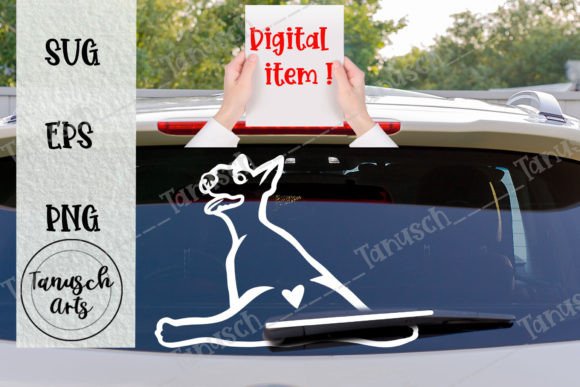
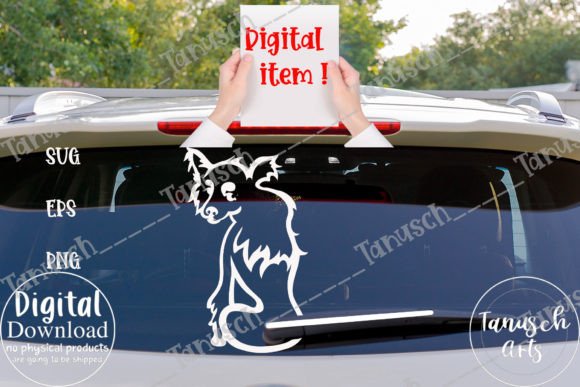
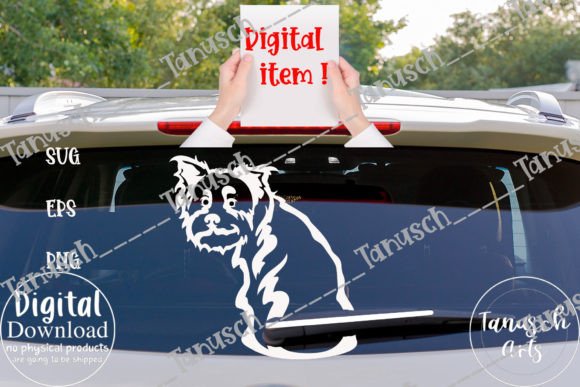
The immediate appeal of this design lies in its emotional resonance. We live in an era where personalization drives the handmade market, and few things trigger a warmer response than a happy dog. The Yorky Wagging Tail Car Window SVG captures a specific moment of joy—the tail wag—that feels authentic rather than stiff. From a layout perspective, the shape is clean. It avoids unnecessary clutter, which is crucial when translating a digital graphic into a physical embroidery project.
Visually, the design suggests a playful, approachable aesthetic. It doesn’t scream luxury; instead, it whispers comfort. This makes it an ideal candidate for personalized gift items, nursery decor, or casual custom apparel. The "wagging" aspect implies motion, but since we are dealing with static embroidery, the design relies on bold outlines and clear shapes to convey that energy. If you are looking for intricate realism, this isn't it. But if you want a charming, recognizable icon that customers will instantly connect with, the visual personality hits the mark.
Real-World Application: Where Does It Shine?
I put this design through the mental wringer of actual production scenarios. Here is where Yorky Wagging Tail Car Window SVG performs best:
- Custom Apparel & Sweatshirts: The silhouette is robust enough to hold up as a chest logo on a hoodie or a back print on a t-shirt. For sweatshirt embroidery, the clean lines prevent the fabric from pilling around dense areas, provided you use the right stabilizer.
- Tote Bag Design: Canvas bags are a staple for the Etsy seller community. This design translates beautifully onto tote bags. The contrast between the thread and the canvas texture can make the wagging tail pop, especially if you choose vibrant thread colors against a neutral bag.
- Baby Embroidery: Soft bodysuits and bibs benefit from simple, cute motifs. The rounded edges of this graphic are safe for baby clothes, avoiding sharp corners that might irritate sensitive skin or snag during washing.
- Embroidered Patch: Because the cutting points are minimized, this design lends itself well to being turned into a sew-on patch. You can add a border satin stitch around the perimeter, creating a professional-grade badge for denim jackets or backpacks.
- Holiday Embroidery: While not explicitly seasonal, a wagging dog fits perfectly into winter holiday gifts or summer vacation-themed merchandise. It’s versatile enough to bridge different product categories without feeling out of place.
For the craft business owner, this design offers high perceived value with low complexity. Customers love seeing their pets represented, even in abstract forms. A finished product featuring this motif often sells faster because it taps into the owner's emotional bond with their pet.
Technical Considerations and Stitch Behavior
No matter how cute a design is, if it ruins your machine or looks messy on fabric, it fails. Here is the practical breakdown of how this machine embroidery design handles technical challenges:
The mention of reduced cutting points is significant. In digitizing, excessive cut points can lead to thread breaks and wasted time trimming. By minimizing these, the workflow becomes smoother, which directly impacts your profit margin on bulk orders. However, you must still evaluate the stitch density. If the fill stitches are too dense, the fabric may pucker, especially on thin materials like jersey knits. Always check the density map before committing to a large run.
When considering thread colors, the design likely relies on strong contrasts to define the dog’s features. On dark fabrics, you will need a heavy underlay or a white base layer to ensure the colors pop. On light fabrics, you have more freedom, but be cautious of fabric texture hiding small details. If you are using a textured linen or a chunky knit, fine details in the face or tail might get lost. In such cases, simplifying the design or increasing the size is necessary.
Where to Use With Caution
Not every surface is created equal. There are specific scenarios where Yorky Wagging Tail Car Window SVG requires extra attention:
- Small Hoop Sizes: If you try to shrink this design too much, you risk losing the character of the wagging tail. Keep the height above 3 inches to maintain clarity.
- Stretchy Fabrics: Knits and stretchy synthetics require a strong tear-away or cut-away stabilizer. Without proper support, the tension of the running stitch and fill stitch can distort the shape, making the dog look lopsided.
- Curved Surfaces: Caps and hats present a challenge. While the design is flat, embroidering it on a curved brim or crown requires precise hooping. If the fabric bows, the symmetry of the dog’s face may be compromised.
- Dense Stitch Areas: Avoid placing this design over existing seams or pockets where the fabric is already thick. The added bulk from the embroidery could cause discomfort or damage the garment structure.
Designing for Commercial Success
For the small shop product creator, aesthetics drive sales, but professionalism retains customers. Using Yorky Wagging Tail Car Window SVG allows you to create cohesive collections. Imagine a line of matching mother-and-baby sets, or a set of kitchen towels with coordinating dog motifs. The consistency of the style builds brand recognition.
However, presentation matters. Before listing this on your Etsy store or website, create realistic mockups. Test the design in black and white to ensure the shapes are distinct without color. Compare how it looks on a light background versus a dark one. These steps help you identify potential issues before a customer receives the item. A blurry or poorly stitched design erodes customer trust instantly, whereas a crisp, well-executed piece encourages repeat business.
Practical Designer Notes
Before you start stitching, follow these essential steps to ensure quality:
- Test on Scrap Fabric: Never go straight to the final product. Run the design on a scrap piece of the same fabric type to check for puckering, thread tension, and color accuracy.
- Check Stabilizer Compatibility: Match your stabilizer to the fabric weight. Heavy fabrics need heavy stabilizers; delicate fabrics need lightweight options.
- Review Licensing: Confirm whether you have commercial rights to sell finished items made with this digital embroidery file. Some designs are for personal use only.
- Inspect Small Details: Zoom in on the digital file. Are there tiny elements that might break during stitching? Simplify if necessary.
- Thread Color Contrast: Ensure your chosen threads provide enough contrast against the fabric. Low contrast can make the design look muddy and unfinished.
In conclusion, Yorky Wagging Tail Car Window SVG is a solid addition to any designer’s toolkit. It balances charm with technical feasibility, making it suitable for a wide range of products from apparel decorators to hobbyists. By paying attention to hoop size, fabric choice, and stitch density, you can transform this simple graphic into a high-quality handmade product that delights customers and strengthens your brand. Just remember: good design starts with careful preparation, not just a pretty picture.