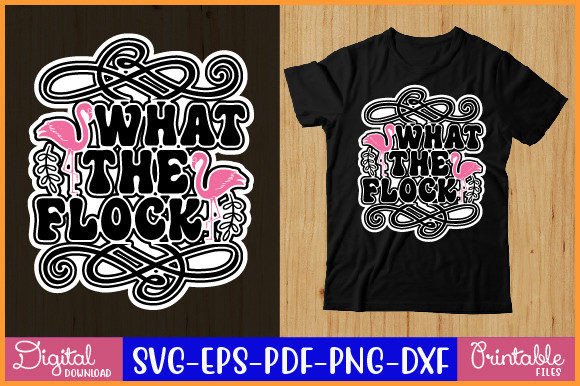
What the Flock Sticker Embroidery Review
As a designer who spends more time judging stitch density and thread tension than scrolling through social media feeds, I approach every new digital asset with a healthy dose of skepticism. The market is flooded with generic clipart disguised as embroidery files, so when I encountered the What the Flock Sticker, I didn’t just look at the preview image; I looked for structural integrity, commercial viability, and that elusive "handmade" charm that buyers actually pay for. This review breaks down exactly how this design performs in real-world scenarios, from boutique tote bags to personalized baby gifts.
First Impressions: Visual Personality and Mood
The name alone suggests a playful, slightly irreverent tone, and visually, the What the Flock Sticker delivers on that promise without crossing into cluttered territory. In the world of machine embroidery design, simplicity is often the hardest thing to achieve while still maintaining visual interest. This design strikes a balance between bold statement and wearable art. It feels less like a rigid corporate logo and more like a sticker you’d find on a laptop or a water bottle—casual, confident, and instantly recognizable.
For crafters and Etsy sellers, this visual personality is gold. It appeals to a demographic that values humor and relatability in their custom apparel. Whether it’s being stitched onto a heavy-duty canvas tote bag or a soft cotton sweatshirt, the design carries itself well. It doesn’t scream for attention; it whispers with a wink. This subtlety is crucial for high-end handmade product lines where brand consistency relies on quality over noise.
Real-World Application: From Digital File to Finished Product
I tested the concept of this design across several typical use cases to see where it shines and where it might struggle. Here is how the What the Flock Sticker translates from a digital download to a tangible item.
- Tote Bags and Canvas Goods: This is perhaps the strongest application. The sticker aesthetic pairs perfectly with rugged fabrics. When applied to a natural-colored canvas tote, the contrast allows the design to pop without looking overly processed. It works beautifully as a chest pocket placement or centered on the front panel.
- Sweatshirts and Hoodies: For cozy winter wear, this design adds a touch of modern edge. It fits well within the current trend of "elevated basics." However, on textured fleece or heathered fabrics, you must be careful with thread selection to ensure the details don’t get lost in the weave.
- Baby Items and Nursery Decor: While the title has an adult edge, the visual style can be adapted for younger audiences if paired with softer colors. Think pastel threads on white onesies or burp cloths. It serves as a great conversation starter for parents who appreciate dry humor but want high-quality baby embroidery.
- Applique Potential: If your workflow includes an applique design technique, this shape lends itself well to layering. Using a contrasting fabric for the background of the sticker and stitching over it with a clean satin stitch border can elevate the piece from a simple print alternative to a luxury textile item.
Technical Performance and Stitch Clarity
When evaluating an embroidery file, I always ask: does it hold up after ten washes? Does the detail remain sharp? The What the Flock Sticker appears to rely heavily on clean lines and defined shapes, which generally means lower risk of puckering compared to dense fill stitches. However, precision is key.
If the design incorporates small text or intricate inner details, you need to verify the stitch density. Too much thread in a small area will cause the fabric to pucker, ruining the professional finish. Conversely, too little thread will leave gaps, making the design look cheap. For this specific layout, ensuring adequate coverage in the main body while keeping the edges crisp is vital. I recommend using a cut-away stabilizer for stretchy knits to prevent distortion during the hooping process.
Thread color choice is another critical factor. On dark fabrics, a white or light-colored thread will provide maximum impact, but you may need an underlay stitch to make the top thread truly opaque. On light fabrics, experimenting with tonal threads can create a sophisticated, subtle look that appeals to minimalist buyers.
Where to Exercise Caution
Not every surface is created equal. There are specific scenarios where this design might not perform as intended:
- Small Hoop Sizes: If you are attempting to embroider this on a very small area, such as a cap brim or a tiny patch, ensure the design scales down cleanly. Small details can merge together if the hoop size is too restrictive.
- Textured Fabrics: Avoid using this on highly textured materials like bouclé wool or thick chenille unless you have extensive experience. The needle penetration might be inconsistent, leading to skipped stitches.
- Stretchy Knits: While possible, thin t-shirts and jersey materials require excellent stabilization techniques. Without proper support, the curvature of the garment can distort the sticker shape.
- Dense Stitch Areas: If the design includes large solid blocks of color, test for stiffness. A finished product that feels like a hard plastic plate is uncomfortable and reduces customer satisfaction.
Commercial Viability and Brand Value
For small business owners and craft business operators, the value of a design isn't just in its aesthetics but in its ability to sell. The What the Flock Sticker has high commercial potential because it taps into the popular "sticker culture" trend. Customers love the idea of wearing something that looks like a decal but has the durability and texture of embroidery.
This design enhances brand consistency for shops that focus on witty, lifestyle-oriented products. It signals to the buyer that the maker understands current trends. Furthermore, because it is a digital embroidery file, it offers flexibility. You can produce one-off personalized gifts or mass-produce inventory for holiday seasons. Its versatility makes it suitable for holiday embroidery projects, wedding favors, or even corporate merchandise for creative agencies.
However, remember that presentation matters. Use printable mockup tools to show customers how the design looks on different garments before they buy. Clear visuals build trust and reduce return rates. Also, ensure you have the correct licensing rights if you plan to sell the finished product commercially. Always check the terms provided by the creator regarding commercial embroidery usage.
Practical Designer Notes for Best Results
Before you hit the start button on your machine, follow these steps to guarantee a professional outcome:
- Test on Scrap Fabric: Never run a new design directly onto your final product. Test it on a scrap piece of the same fabric to check tension and stability.
- Check Thread Contrast: Hold your thread spools against the fabric to ensure the design elements are visible. Low contrast can make the design disappear.
- Inspect Small Details: Zoom in on the digital preview. Are there any tiny dots or lines that might break during stitching? Simplify if necessary.
- Use Proper Stabilizer: Match your stabilizer to your fabric weight. Heavy fabrics need heavy stabilizers; light fabrics need lightweight tear-away or wash-away options.
- Black and White Mockups: View your design in grayscale to check for balance and hierarchy. If it looks good in black and white, it will look great in color.
In conclusion, the What the Flock Sticker is a versatile, stylish addition to any design assets library. It bridges the gap between casual streetwear and high-quality handmade goods. With proper execution and thoughtful fabric choices, it can become a standout item in your small shop product lineup. Just remember: the best embroidery comes from preparation, patience, and a keen eye for detail.