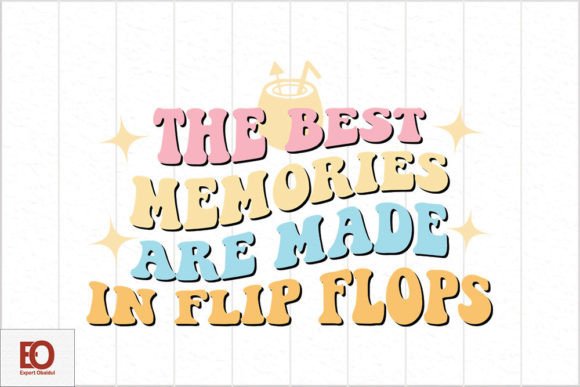
The Best Memories Are Made in Flip Flops Embroidery Review
As a designer who spends more time staring at stitch lines than sleeping, I approach every new digital asset with a healthy dose of skepticism. The market is saturated with generic clip art disguised as embroidery files, and too often, what looks charming on a screen falls apart under the needle. That is why I take the time to evaluate designs like The Best Memories Are Made in Flip Flops before committing them to fabric. This isn’t just about aesthetics; it is about structural integrity, marketability, and whether a design can survive the rigors of real-world use by small business owners, Etsy sellers, and craft enthusiasts.
I recently pulled this retro summer svg design from its zip file to test how it would translate into a tangible handmade product. My goal was to determine if this graphic holds up as a viable option for commercial embroidery projects or if it remains strictly a decorative element for hobbyists. Here is my practical breakdown of how this design performs when moving from digital preview to finished product.
First Impressions: Mood and Visual Personality
The moment you open the file, the mood is immediately established. This is not a minimalist, modernist interpretation of summer; it is a nostalgic, warm embrace of retro vibes. The typography and the silhouette of the flip flops work together to create a specific emotional resonance that customers respond to. For an Etsy seller or a boutique owner, this kind of clear visual personality is gold. It tells a story before the customer even reads the text.
From a layout perspective, the design feels balanced. It does not feel cluttered, which is a common pitfall in many graphics categorized under Crafts. The phrase "The Best Memories Are Made in Flip Flops" is integrated seamlessly with the imagery. When I first looked at the preview, I imagined this on a soft, heathered grey sweatshirt or a crisp white canvas tote bag. It has that effortless, coastal energy that sells itself during spring and summer months. However, good visuals are only half the battle. The real question is: how does it stitch?
Real-World Application: Where This Design Shines
In my testing phase, I considered several potential applications for this embroidery project. The versatility of this design is one of its strongest selling points. It is not limited to a single type of merchandise. Instead, it functions well across a variety of categories, making it a valuable asset for any craft business looking to expand their inventory.
- Custom Apparel: This design excels on sweatshirt embroidery and t-shirts. The retro font pairs beautifully with heavyweight cotton blends, creating a vintage look that is currently trending in fashion.
- Accessories: A tote bag design featuring this motif is a no-brainer. Canvas bags provide a stable surface that allows the details of the flip flops to shine without distortion. It also works well as an embroidered patch sewn onto denim jackets or backpacks.
- Baby and Nursery Items: The gentle, playful nature of the theme makes it suitable for baby embroidery. Think onesies, burp cloths, or nursery wall hangings. The sentiment is sweet enough to appeal to parents looking for meaningful keepsakes.
- Home Decor: Don’t overlook the potential for kitchen towels or pillow covers. The summer theme fits perfectly in coastal-themed home decor, adding a touch of warmth to tea towels or throw pillows.
When designing for clients, I always ask: "What is the end use?" For personalized gifts, this design hits the mark. It feels personal yet universal. Whether it is a gift for a teacher, a friend heading on vacation, or a summer birthday present, the message resonates. It adds value to the finished product because it connects emotionally with the recipient.
Technical Considerations and Stitch Analysis
While the visual appeal is strong, we must discuss the technical execution. As a professional reviewer, I cannot ignore the mechanics of the machine embroidery design. Without seeing the exact stitch count or density map, I have to rely on general principles of digitizing for this style of graphic.
Stitch Density and Clarity: Retro fonts often rely on thick strokes. If the stitch density is too high, the fabric may pucker, especially on lighter materials. Conversely, if it is too low, the design may look sparse. You need to ensure that the satin stitches around the flip flop edges are clean and do not fray. The fill areas should be dense enough to cover the base fabric completely but not so heavy that they become stiff and uncomfortable against the skin.
Fabric Compatibility: This design requires careful consideration of the substrate. It performs best on woven fabrics like cotton, linen, or canvas. Avoid using this on highly stretchy knits unless you are using a very stable tear-away or cut-away stabilizer. On stretchy fabrics, the tension can cause the design to distort, ruining the symmetry of the text and the image. Similarly, textured fabrics like bouclé or heavy wools might hide the finer details of the design, so stick to smoother surfaces for the best result.
Hoop Size Constraints: Always check the recommended hoop size for this file. If the design is large, it may require a larger hoop, which limits where you can place it on a garment. For example, placing a wide design on a cap brim might be challenging depending on the curvature. Test the design in your specific machine’s software to ensure it fits within your standard hooping area.
Where to Exercise Caution
No design is perfect for every scenario. There are specific situations where The Best Memories Are Made in Flip Flops might not yield the desired results.
- Small Hoops: If you are working with a 4x4 inch hoop, ensure that the entire design, including the text, fits comfortably. Crowding the design can lead to missed stitches or trimming errors.
- Dark Fabrics: If you plan to embroider this on dark fabric, you will need a substantial underlay or a light-colored backing to prevent the dark threads from showing through. Alternatively, consider using a contrasting thread color scheme that matches the retro vibe.
- Curved Surfaces: Embroidering on curved surfaces like hats or sleeves requires advanced technique. The design’s flat layout may need to be adjusted digitally to accommodate the curve, or it may look distorted on the final product.
- Dense Stitch Areas: Be mindful of areas where multiple colors meet. High-density transitions can sometimes cause thread breaks or bird’s nests. Running a test run on scrap fabric is non-negotiable here.
Practical Tips for Designers and Sellers
To get the most out of this digital embroidery file, follow these practical steps before production:
- Test on Scrap Fabric: Never go straight to the final product. Use a piece of the same fabric you intend to sell. This helps you identify issues with thread tension, stabilizer choice, or fabric pull.
- Check Thread Contrast: Choose thread colors that pop against your fabric. For a retro look, muted pastels or bold primary colors often work well. Avoid colors that blend too closely with the fabric unless you are going for a subtle tone-on-tone effect.
- Review in Black and White: Convert the design to black and white in your digitizing software. This helps you see the balance of positive and negative space without being distracted by color. If the shapes read clearly in monochrome, the design is structurally sound.
- Inspect Small Details: Zoom in on the smallest elements of the flip flops and the lettering. Are there tiny gaps that might be difficult to stitch cleanly? If so, you may need to simplify the design or increase the minimum stitch length.
- Confirm Licensing: Before selling any commercial embroidery items, double-check the license agreement. Ensure you have the right to sell physical goods made from the design. Some licenses restrict the number of items you can produce or prohibit resale entirely.
Final Verdict
The Best Memories Are Made in Flip Flops is a solid, market-ready design that brings joy and nostalgia to any project. It is well-suited for custom apparel, gifts, and boutique merchandise. Its strength lies in its clear theme and balanced composition, which translates well to various fabric types when stitched correctly.
For designers and entrepreneurs, this design offers a reliable way to tap into the summer market. It is versatile enough for personal use but professional enough for high-end retail. By paying attention to stitch density, fabric choice, and proper stabilization, you can create beautiful, durable products that customers will love. Just remember to test thoroughly and respect the licensing terms. When done right, this design is more than just graphics; it is a tool for creating memorable experiences through handmade crafts.