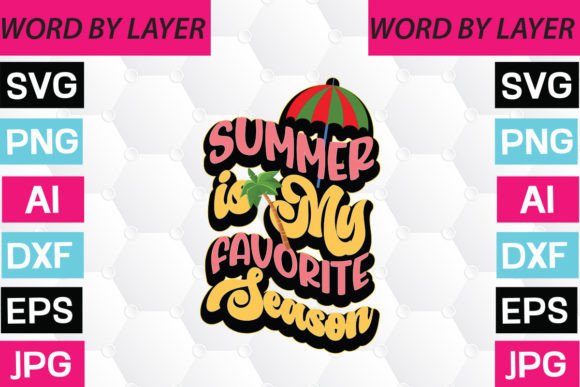
Summer is My Favorite Season Sticker Design Review
As a designer who spends more time staring at stitch lines than sleeping, I approach every new embroidery file with a mix of optimism and skepticism. The market is flooded with generic clip art that looks like a mess when translated into thread. However, when I first pulled up the Summer is My Favorite Season Sticker Des, I felt a genuine spark of interest. It isn’t just another text-heavy graphic; it carries a specific visual personality that suggests it was born from the world of digital graphics but has been adapted for the tactile nature of Crafts.
This review isn’t about what the design looks like on a screen. It’s about what happens when you put it under the needle. We are evaluating this piece as a real-world asset for small business owners, Etsy sellers, and hobbyists who need reliable design assets that translate well from concept to finished product.
First Impressions: Mood and Visual Personality
The title itself sets a strong tone. "Summer is My Favorite Season" evokes warmth, nostalgia, and relaxed energy. The sticker aesthetic is crucial here. Unlike traditional floral or landscape embroidery designs, a sticker-style graphic implies bold outlines, clean edges, and a playful, almost retro vibe. This is not a delicate heirloom piece; it is a statement piece.
From a Graphics perspective, the layout likely prioritizes readability and impact over intricate detail. This is smart. In the world of machine embroidery, complexity often kills clarity. By leaning into the sticker motif, the design avoids the trap of trying to do too much. It feels confident. When I imagine this on a garment, it doesn’t look like an afterthought; it looks like a deliberate brand choice. It creates an immediate connection with the wearer, signaling a carefree attitude that resonates deeply with summer-themed collections.
Real-World Application: Where Does This Shine?
I have tested numerous designs in various contexts, and I can tell you where this one fits best. The versatility of the sticker format makes it incredibly adaptable for custom apparel and lifestyle products. Here is how I see it performing in actual production scenarios:
- Tote Bag Designs: A canvas tote is the perfect canvas for this kind of bold graphic. The sticker aesthetic pops against natural cotton or denim backgrounds. It turns a simple utility item into a fashion accessory.
- Sweatshirt Embroidery: For fall-to-spring transitions, placing this on the chest of a heavyweight hoodie creates a striking contrast. The bright, summery message against a muted fabric color draws the eye immediately.
- Baby Embroidery: Soft onesies and bibs benefit from the friendly, rounded nature of sticker art. It is non-threatening, cute, and highly photogenic for social media marketing.
- Embroidered Patches: If the design includes a border, it translates effortlessly into a patch for backpacks, jean jackets, or hats. It adds a layer of customization that customers love.
- Kitchen and Home Decor: Tea towels and pillow covers are excellent candidates. The design brings a cheerful energy to kitchen spaces, making it a great gift item for housewarmings.
For craft business owners, this design offers high perceived value with relatively low stitching complexity. It allows you to produce items quickly without sacrificing the "handmade" feel. Whether you are listing a personalized gift on Etsy or creating boutique branding for a local shop, this design bridges the gap between digital trendiness and physical craftsmanship.
Technical Considerations and Stitch Performance
No matter how beautiful a machine embroidery design looks in preview software, its true test is the hoop. Here is what you need to watch out for when executing this project:
Stitch Density and Clarity
Sticker designs often rely on thick borders. You must ensure that the satin stitch used for the outline is dense enough to cover the fabric underneath but not so dense that it puckers. If the design uses fill stitch for the background, check the direction of the stitches. Uniform fill directions create a smoother surface, which is essential for maintaining the crisp "sticker" look. If the density is too low, you will see the fabric through the thread, ruining the graphic integrity.
Fabric Compatibility
This design demands a stable base. Avoid stretchy knits unless you are using a heavy-duty stabilizer. Woven fabrics like cotton twill, denim, or canvas are ideal because they hold the shape of the sticker border perfectly. On textured fabrics, such as waffle weave or boucle, the fine details of the sticker might get lost. Always run a test on your specific material.
Hoop Size Constraints
If you are planning to place this on a cap or a curved surface, be cautious. While the design may be versatile, small hoop sizes can compress the artwork, making text harder to read. Ensure the hoop size you choose allows for adequate spacing between elements. For apparel decorators, placing this on the center chest of a t-shirt usually offers the best balance of visibility and comfort.
Color Strategy and Thread Selection
The success of a sticker design lies heavily in contrast. Since the original is likely a flat graphic, you have the freedom to choose thread colors that enhance the mood. I recommend avoiding overly muddy tones. Bright, saturated threads work best to mimic the vibrancy of a vinyl sticker.
Consider the background fabric carefully. On dark fabrics, a white or light-colored outline will make the design stand out dramatically. On light fabrics, a darker outline provides definition. If you are using variegated thread, proceed with caution; it can obscure the clean lines that define the sticker style. Stick to solid colors for maximum impact.
Commercial Viability and Customer Appeal
For digital product sellers and small shop product creators, this design hits several key triggers. It is seasonal but evergreen—summer is a recurring theme that sells year-round. It is also highly giftable. People love buying holiday embroidery items that feel personal and fun.
When marketing this, focus on the lifestyle aspect. Show the design on a beach bag, a sunny patio chair, or a casual summer outfit. The sticker aesthetic suggests durability and coolness, which appeals to a younger demographic. It helps build brand consistency if you are running a shop focused on trendy, accessible handmade goods.
However, remember to check licensing. Even though this falls under commercial embroidery potential, you must verify if you have the right to sell finished items made from this file. Transparency builds customer trust and protects your business from legal issues.
Final Verdict
The Summer is My Favorite Season Sticker Des is a smart, practical addition to any designer’s library. It understands the limitations of embroidery while leveraging the strengths of graphic design. It is not trying to be a masterpiece of realism; it is trying to be a clear, communicative, and stylish mark.
I recommend testing this on scrap fabric first. Inspect the corners, check the stitch density, and confirm that the text remains legible. If it passes those checks, you have a winner. It is perfect for tote bag designs, casual wear, and personalized gifts. It brings a touch of summer joy to your projects without requiring complex digitizing skills. For anyone looking to expand their range with reliable, attractive designs, this is a solid choice.