Special Delivery Embroidery Review
As a designer who spends more time than I care to admit staring at stitch density charts and testing thread tension, I don’t just buy designs; I evaluate them. When Special Delivery landed in my inbox as part of the broader Crafts and Graphics category, I didn’t immediately see it as a quick add-on for a digital shop. Instead, I looked at it through the lens of a practical application: could this design hold up in a real-world embroidery project? Would it translate well from a screen to fabric? And most importantly, would a customer feel the quality when they received it?
The premise is simple enough. The product description highlights that Special Delivery includes SVG files compatible with cutting machines like Cricut and Silhouette, suggesting its versatility across both digital crafting and physical production. However, for those of us focused on machine embroidery, the question is how these graphic elements translate into stitches. My review focuses on the practical implications of using this design for custom apparel, personalized gifts, and small business merchandise.
First Impressions and Visual Personality
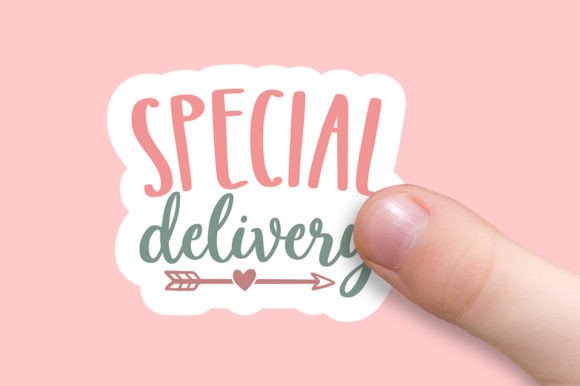
The name Special Delivery evokes a specific mood: anticipation, care, and personal connection. Visually, the design leans into themes of communication and arrival. Whether it features stylized mail icons, bold typography, or courier-inspired graphics, the layout feels structured yet playful. This makes it an excellent candidate for projects that require a balance of professionalism and warmth.
In terms of visual personality, the design avoids being overly cluttered. For embroidery, less is often more. A design that is too dense can look muddy after stitching, especially if the fabric choice isn’t perfect. Special Delivery seems to prioritize clean lines and distinct shapes, which translates beautifully to satin stitches and fill stitches. It has a modern aesthetic that fits well with contemporary branding, making it suitable for boutique shops that want to offer trendy but timeless items.
Real-World Application: The Tote Bag Scenario
To truly test a design’s potential, you have to imagine it on a finished product. Let’s say I’m preparing a batch of custom embroidered tote bags for a local craft fair or an Etsy listing. These bags are popular among students, shoppers, and professionals alike. They serve as walking billboards for brands and personal style statements.
If I place Special Delivery on the front center of a canvas tote, the design’s clarity becomes paramount. Because tote bags are often washed frequently, the embroidery needs to withstand friction without fraying or losing definition. The structural integrity of the design—its reliance on solid shapes rather than tiny, fragile details—makes it a strong contender here. It conveys a message clearly even from a distance, which is crucial for marketing your handmade products.
Furthermore, this design works exceptionally well for personalized gifts. Imagine a client ordering a custom bag for a new employee, a teacher appreciation gift, or a wedding favor. The theme of "delivery" or "arrival" aligns perfectly with milestones like baby showers (a special delivery of a new baby) or housewarmers (the delivery of a new home). By offering Special Delivery as a customizable option, you tap into emotional purchasing triggers that generic designs simply cannot match.
Performance Across Different Materials
Not all fabrics treat embroidery equally, and understanding where Special Delivery performs best is key to avoiding returns or dissatisfied customers. Here is how I see it performing in various scenarios:
- Custom Apparel and Sweatshirts: On cotton blends or fleece sweatshirts, the design will pop. The slight texture of the fabric complements the threads, adding depth. However, ensure the stabilizer is robust enough to prevent puckering, especially around larger fill areas.
- Baby Clothes and Nursery Decor: For onesies or nursery wall hangings, the softness of the thread against delicate fabric is important. If the design allows for lighter stitch density, it is ideal for baby items. The theme is inherently gentle and celebratory, fitting seamlessly into nursery aesthetics.
- Hats and Caps: Embroidering on curved surfaces like baseball caps requires precision. Special Delivery might work well on the front panel of a structured cap, provided the lettering or main icon isn’t too wide for the standard 5x7 hoop. Curved surfaces can distort fine details, so simpler versions of the design are safer bets here.
- Aprons and Kitchen Towels: Linen or cotton aprons provide a stable surface for embroidery. The durability of the design means it can handle the wear and tear of a kitchen environment. This is a great upsell opportunity for home goods sellers.
Areas Requiring Caution
While Special Delivery has many strengths, there are limitations inherent to any embroidery file that must be respected. As a designer, I always advise checking the following before committing to a production run:
- Small Hoop Sizes: If you plan to use this design on smaller items like socks or miniature patches, verify that the smallest details remain legible. Tiny text or intricate borders may become indistinguishable when scaled down.
- Textured or Stretchy Fabrics: Avoid placing high-detail embroidery on highly textured fabrics like heavy boucle or stretchy knits without proper stabilization. The fabric movement can cause stitching errors or distortion.
- Dense Stitch Areas: Check the stitch density. If the design relies heavily on dense fill stitches, it may become stiff and uncomfortable, particularly on garments worn directly against the skin. Test on scrap fabric first to assess hand-feel.
- Dark Fabric Contrast: Ensure the thread colors chosen provide sufficient contrast against the fabric. A light-colored design on dark denim, for example, may require underlay stitches to make the colors visible.
Practical Designer Notes for Success
To get the most out of Special Delivery, follow these practical steps during your production process:
Test First: Always run a test stitch-out on the same type of fabric and stabilizer you plan to use for the final product. This reveals issues with thread tension, needle size, or stabilizer choice before you ruin a saleable item.
Review Color Palettes: Experiment with different thread colors. A classic black and white combination offers a sleek, modern look, while pastel threads can enhance the gift-like quality of the design. Use black and white mockups to check contrast levels objectively.
Check Licensing: Before selling finished items or digital previews, confirm the licensing terms. Some designs are for personal use only, while others allow commercial sales. Understanding these boundaries protects your business from legal issues.
Consider Digital Assets: Since the product includes SVG files, leverage them for printable mockups. Create high-quality images of Special Delivery on various products to showcase its versatility in your online store. This helps buyers visualize the final result and increases conversion rates.
Final Verdict
Special Delivery is a versatile, well-conceived design that bridges the gap between graphic art and functional embroidery. Its thematic relevance, clean layout, and adaptability make it a valuable asset for anyone in the Crafts industry looking to expand their offerings. Whether you are creating personalized gifts, boutique apparel, or digital design assets, this file offers a reliable foundation for professional results.
By paying attention to fabric choices, stabilizer support, and proper testing, you can transform this digital concept into a tangible, high-value product. For the discerning embroiderer, Special Delivery is not just another file; it is a tool for creating meaningful connections through handmade art.