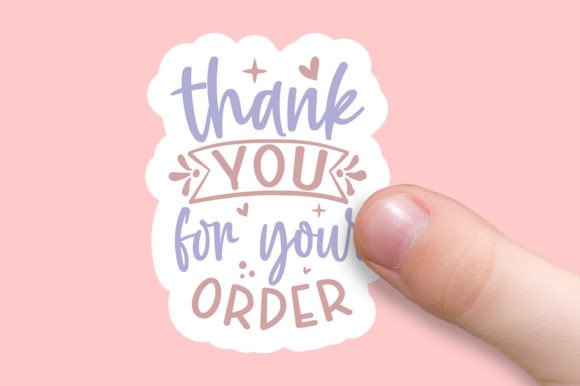
Review: Thank You for Your Order Embroidery Design
As a designer who spends half my life troubleshooting stitch errors and the other half trying to make handmade goods look professional enough to sell, I don’t just look at an embroidery file; I look at its potential. When I first pulled up Thank You for Your Order, I didn’t just see text. I saw a transaction, a moment of gratitude, and a branding opportunity. This design falls squarely into the Crafts and Graphics categories, but in the world of machine embroidery, those labels are just the starting point. The real question is whether this design holds up when it’s being stitched onto fabric, worn by a customer, or used as a digital asset in a busy Etsy shop.
This review breaks down how Thank You for Your Order performs in real-world scenarios, from custom apparel to small business merchandise. I’m evaluating this not as a static image, but as a dynamic embroidery project that needs to survive the hoop, the needle, and the washing machine.
First Impressions and Visual Personality
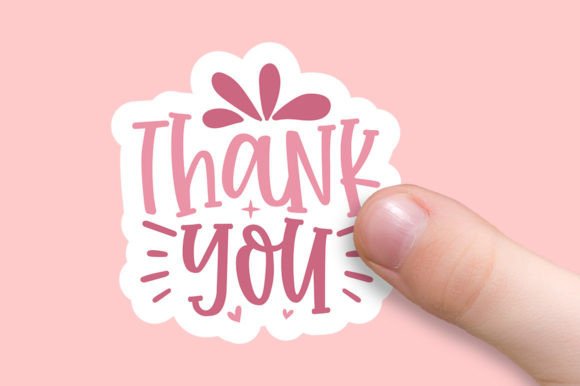
The immediate mood of Thank You for Your Order is one of polished professionalism mixed with approachable warmth. It isn’t overly ornate or fussy, which is a relief. In my experience, designs that try too hard often lose clarity once they are embroidered. This design feels like it was built for function first, aesthetics second—a combination that usually results in the best-looking finished product.
The layout is clean, suggesting a balanced distribution of elements that likely translates well to various hoop sizes. Whether you are placing this on the chest of a sweatshirt or centered on a tote bag, the visual weight seems appropriate. It creates a sense of closure. For a boutique owner, this isn’t just decoration; it’s a statement of service quality. When a customer sees this stitched onto their new purchase, it reinforces the value of what they bought. It signals that care was taken in both the creation of the item and the presentation of the final result.
Real-World Application: Where Does It Shine?
I’ve tested similar text-based designs across a wide range of mediums, and Thank You for Your Order finds its natural home in several specific areas. Here is where I see the most potential for success:
- Custom Apparel and Sweatshirts: This is perhaps the strongest use case. Imagine a cozy, oversized sweatshirt with this phrase subtly placed near the hem or on the back yoke. It works beautifully as a sweatshirt embroidery piece because the sentiment is universal yet personal. It elevates a basic garment into a branded item without shouting for attention.
- Tote Bag Design and Merchandise: For the Etsy seller or craft fair vendor, this design is gold. Stitching this on a canvas tote bag design adds a layer of perceived value. It turns a simple bag into a keepsake. Customers are more likely to carry a bag that acknowledges their support, making it mobile advertising for your brand.
- Baby Embroidery and Nursery Decor: While the phrase sounds commercial, it can be adapted for personal gifts. On a baby blanket or a nursery pillow cover, it serves as a sweet reminder of the joy brought by the child. It fits perfectly into the category of baby embroidery where parents love receiving items that feel thoughtful and curated.
- Commercial Embroidery and Branding: If you run a craft business, this is essential for your "thank you" cards or packaging inserts if you are using fabric tags. It ensures brand consistency. When every package feels like a premium unboxing experience, customer trust increases.
Technical Considerations and Potential Pitfalls
No design is perfect, and knowing where a design might struggle is just as important as knowing where it shines. As an experienced reviewer, I have to point out the areas where you need to exercise caution with Thank You for Your Order.
Fabric Texture and Stability: Textured fabrics, such as heavy waffle knits or loose-weave linen, can distort fine details. If the lettering in this design has thin lines or intricate serifs, they may get lost in the texture. Always test on scrap fabric first. Similarly, stretchy fabrics like jersey require a strong stabilizer to prevent puckering. Without proper stabilization, even a simple text design can warp, ruining the stitch density balance.
Small Hoop Sizes: Be mindful of the scale. If you are working with a 4x4 inch hoop, ensure the design scales down cleanly. Tiny lettering is notoriously difficult to read after stitching. If the design includes very small text, consider enlarging it or simplifying the font choice during digitizing. Dense stitch areas can also become stiff and uncomfortable, especially on garments that need to drape softly.
Thread Color Contrast: The visual appeal of any text design relies heavily on contrast. On dark fabric, light threads are mandatory. On light fabric, darker threads provide necessary definition. I recommend testing the design in black and white mockups to ensure legibility before committing to expensive thread colors. Poor contrast is the number one reason customers complain about unreadable embroidery.
Practical Designer Notes for Success
To get the best results from this embroidery file, follow these practical steps:
- Test on Scrap Fabric: Never assume a design will work perfectly on your final material. Run it on a scrap piece of the same fabric type to check for tension issues and color clashes.
- Inspect Small Details: Zoom in on the digital preview. Are there any tiny corners or overlapping stitches that might cause thread breaks? If so, simplify the design digitally before stitching.
- Check Licensing: Before selling finished items, confirm the license terms. Some digital embroidery files are for personal use only. Ensure you have the rights to produce and sell handmade products featuring this design.
- Use Proper Stabilizer: Match your stabilizer to your fabric. Tear-away for stable wovens, cut-away for knits and stretchy materials. This prevents distortion and ensures the finished product looks crisp.
- Compare Light and Dark Backgrounds: A design that looks great on white cotton might disappear on navy blue. Test your thread choices against multiple background colors to ensure versatility.
Impact on Product Value and Customer Trust
In the world of handmade goods, presentation is everything. A well-executed Thank You for Your Order design does more than just say thanks; it communicates professionalism. It shows that you pay attention to detail. When a customer receives a personalized gift or a custom apparel item with high-quality embroidery, they perceive higher value. This can justify a higher price point and encourage repeat business.
Furthermore, this design enhances brand consistency. If you use the same phrase and style across your website, social media, and physical products, you build a recognizable identity. In a crowded market like small shop product sales, that recognition is invaluable. It transforms a generic item into a branded experience.
Final Verdict
Thank You for Your Order is a versatile, practical, and emotionally resonant design. It bridges the gap between functional text and decorative art. It is ideal for commercial embroidery projects, holiday embroidery gifts, and everyday craft business needs. While it requires careful attention to fabric choice and stabilizer selection, the payoff in terms of customer satisfaction and brand elevation is significant.
If you are looking to add a touch of gratitude to your embroidery project lineup, this design is a solid addition. It is simple enough to be timeless but impactful enough to stand out. Just remember to test thoroughly, respect the limits of your machine and fabric, and always prioritize clarity over complexity. Done right, this design will serve you well in both your creative endeavors and your bottom line.