Review: Stickers Sheet HOME DECOR Svg for Embroidery
As a designer who spends more time than I care to admit staring at stitch density charts and debating thread colors, I approach every new embroidery file with a healthy dose of skepticism. The market is flooded with generic clip art that looks fine on a screen but falls apart when pushed through a needle. That is why I decided to put the Stickers Sheet HOME DECOR Svg to the test in a real-world scenario. I wasn’t just looking at the vector paths; I was imagining how this design would hold up on a customer’s favorite tote bag or a baby’s first blanket.
This review breaks down exactly how this machine embroidery design performs, where it shines, and where you might want to think twice before stitching it out. If you are an Etsy seller, a craft business owner, or simply a maker who values quality, read on to see if this Graphics asset belongs in your library.
First Impressions and Visual Personality
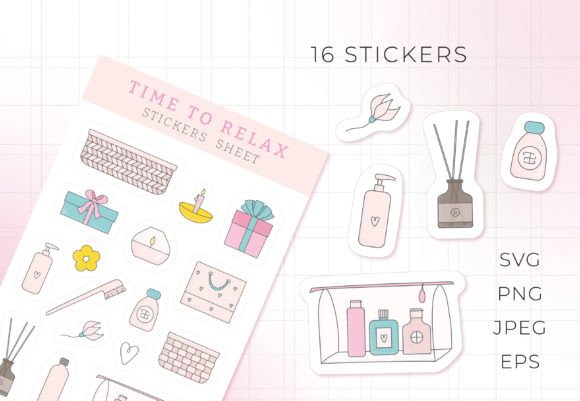
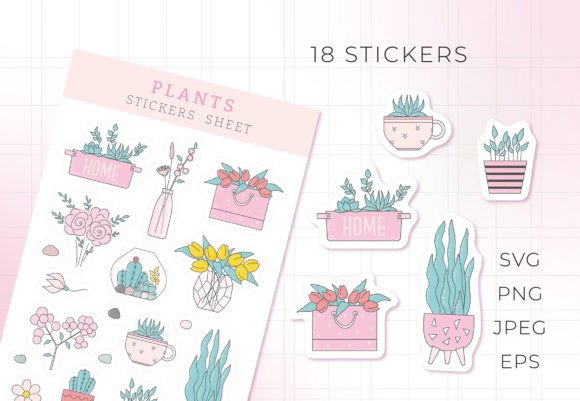
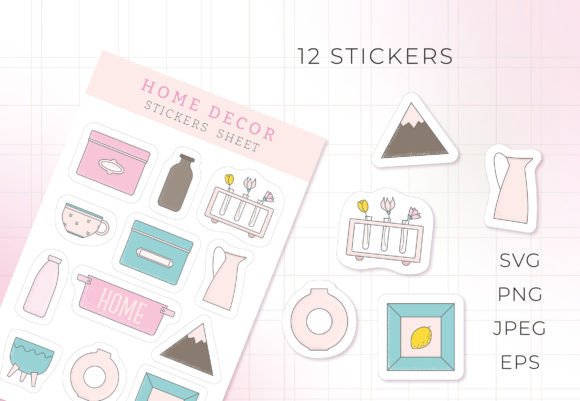
The moment I opened the files included in the Stickers Sheet HOME DECOR Svg package, the mood felt distinctly cozy. It isn’t trying to be high-fashion or minimalist in a stark way; rather, it leans into that warm, inviting aesthetic that dominates home decor trends right now. The inclusion of plant motifs (that little leaf icon 🪴) suggests a connection to nature and tranquility, which translates beautifully into textile work.
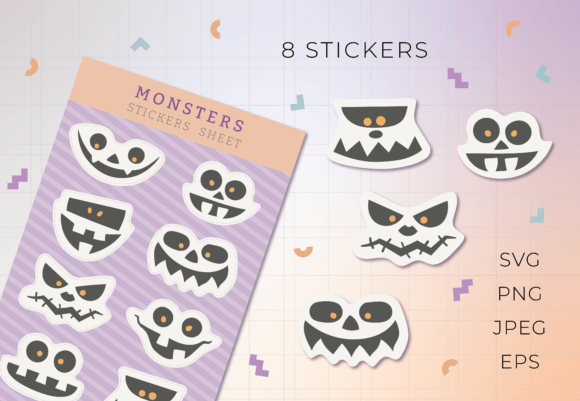
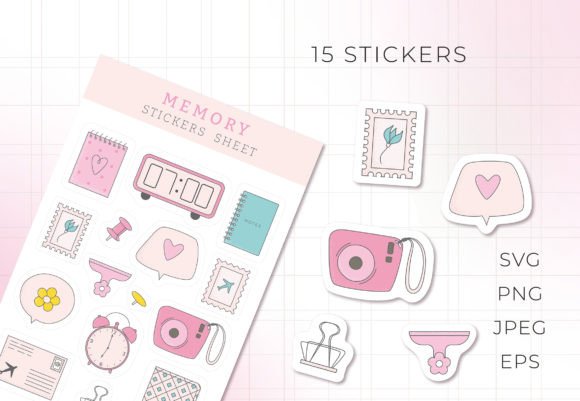
What stands out immediately is the layout. Because this is provided as a sticker sheet format with individual elements, you have flexibility. You aren’t locked into one rigid composition. For a designer, this means you can isolate specific icons—a single leaf, a decorative frame, or the text—to create custom personalized gift items. The visual personality is friendly and accessible, making it perfect for small shop product lines that want to feel approachable rather than corporate.
Real-World Application: The Tote Bag Test
To truly evaluate this embroidery project, I imagined applying it to a heavy-duty canvas tote bag. This is a staple item for any commercial embroidery business. Here is how the design holds up in that context:
- Placement Flexibility: Since the elements are separate, you could place a small leaf motif on the front pocket and the main "HOME DECOR" text across the chest. This layering adds depth and makes the finished product look professionally designed rather than stamped on.
- Visual Balance: The spacing in the original SVG is generous. When scaled down for a smaller hoop size, the negative space remains clean. This prevents the design from looking cluttered, which is crucial for maintaining a premium look in custom apparel.
- Customer Appeal: Customers buying tote bags often look for designs that reflect their lifestyle. A "Home Decor" theme signals comfort and style. When stitched with high-quality cotton thread, this design feels like a statement piece, not just a logo.
However, if you plan to use this for sweatshirt embroidery, be mindful of the scale. Large text blocks can become heavy and stiff on knit fabrics. In that case, using just the leaf element as an accent near the heart logo might yield a softer, more wearable result.
Technical Performance and Stitch Clarity
Not all design assets are created equal when it comes to digitization. While the source is an SVG intended for cutting, converting or tracing it for machine embroidery requires careful consideration of stitch types.
Best Uses for Different Stitch Types
Based on the line weights and shapes in the Stickers Sheet HOME DECOR Svg, here is how I recommend approaching the digitization:
- Satin Stitch: Ideal for the outlines of the leaves and the borders of the text. Ensure your satin columns are wide enough to cover the fabric weave, especially if you are working with textured materials like burlap or fleece.
- Fill Stitch: Use sparingly. If the design includes solid areas, a dense fill can make the fabric pucker. On a tote bag design, too much fill can weigh down the handles over time.
- Running Stitch: Perfect for adding delicate details inside the larger shapes. This adds a hand-sewn aesthetic that elevates the handmade product feel.
Important Note: The product description mentions PNG and JPEG files alongside the SVG. These raster formats do not contain stitch data. If you are using these images as a reference to trace your own digital embroidery file, you must manually adjust the stitch angles and density. Do not assume the SVG will import perfectly into your embroidery software without editing.
Where to Exercise Caution
Even great designs have limitations. Here are the scenarios where the Stickers Sheet HOME DECOR Svg might present challenges:
- Small Hoop Sizes: If you are trying to fit the entire sticker sheet concept into a 4x4 inch hoop, details may get lost. Tiny corners of letters or thin leaf veins might merge together during stitching. Always check the hoop size constraints before finalizing your layout.
- Textured Fabrics: On bouclé, sherpa, or heavily textured knits, the definition of intricate details will vanish. Stick to smooth fabrics like denim, cotton twill, or jersey for the best clarity.
- Dense Stitch Areas: Avoid placing dense fills over seams or zippers. This can cause needle breakage or uneven feeding of the fabric.
- Frequent Washing: If this is for baby embroidery or kitchen towels that will be washed frequently, ensure you use a proper stabilizer and consider backstitching key areas to prevent fraying after multiple cycles.
Impact on Brand and Product Value
For creative entrepreneurs, the difference between a $5 print and a $25 embroidered item often lies in the perceived value of the design. The Stickers Sheet HOME DECOR Svg supports a higher price point because it feels curated. It doesn’t look like a mass-produced template.
When you present this on a printable mockup for your online store, the clean lines translate well to digital previews. Buyers can easily visualize how it looks on a pillow cover or an apron. This clarity builds customer trust and reduces returns due to mismatched expectations.
Furthermore, the versatility of having individual elements allows for brand consistency. You can use the same leaf motif across your entire product line—on tags, labels, and actual garments—creating a cohesive identity for your craft business.
Practical Designer Notes Before You Stitch
Before you commit to a full production run, follow these steps to ensure success:
- Test on Scrap Fabric: Never skip this step. Test the design on the exact fabric type you plan to sell. Check how the thread interacts with the material grain.
- Check Thread Contrast: Light threads on dark fabric can disappear, while dark threads on light fabric can look harsh. Choose thread colors that complement the natural tone of your fabric.
- Inspect Small Details: Zoom in on the SVG. Are there any stray anchor points? Clean up unnecessary nodes to ensure smooth stitching.
- Confirm Licensing: Even though this is a digital download, always verify the commercial use rights. Can you sell the finished physical goods? Can you sell the digital file itself? This distinction is critical for digital product sellers.
- Use Proper Stabilizer: For stretchy fabrics like sweatshirts, use cut-away stabilizer. For woven cottons, tear-away may suffice. The wrong stabilizer choice can ruin the drape of the finished product.
Final Verdict
The Stickers Sheet HOME DECOR Svg is a solid addition to any embroidery designer’s toolkit. It offers a versatile, aesthetically pleasing theme that aligns well with current home decor trends. Its strength lies in its modularity—you can mix and match elements to create unique personalized gifts or consistent branding for your small shop.
It is particularly well-suited for apparel decorators looking to add subtle, meaningful touches to casual wear, and for makers creating holiday embroidery collections. Just remember to respect the technical limits of your machine and fabric. With proper preparation, this design has the potential to become a bestseller in your embroidery project catalog.