Cupcake Jelly Ball PNG SVG Review
As a designer who spends half my day digitizing files and the other half worrying about stitch tension, I approach every new asset with a healthy dose of skepticism. The market is flooded with clipart that looks charming on a screen but falls apart under the needle. That is why I took Cupcake Jelly Ball PNG SVG for a spin before recommending it to my network of embroidery artists and small business owners. This isn’t just another cute graphic; it is a specific type of design challenge that requires careful consideration if you want your finished product to look professional rather than amateur.
The First Impression: Mood and Visual Personality
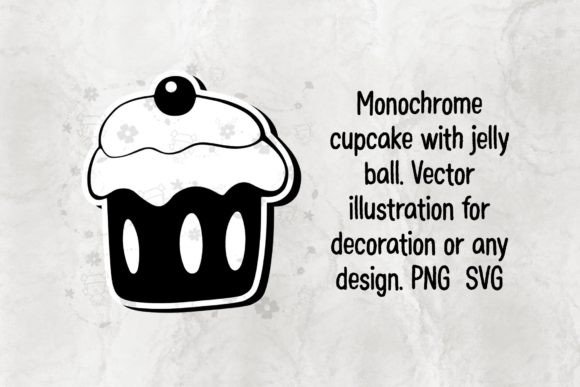
When you first pull up the vector illustration, the immediate takeaway is its playful, hand-drawn aesthetic. The description highlights a "hand drawn black line" style, which is crucial for embroidery. Unlike rigid geometric shapes that can feel cold or corporate, this doodle cartoon cupcake jelly ball brings a sense of warmth and whimsy. It screams comfort food, childhood nostalgia, and lighthearted fun.
For an embroidery project, this visual personality translates well into items meant to evoke joy. It fits naturally into the world of nursery decor, baby gifts, and boutique apparel. The "jelly" aspect suggests a bouncy, soft texture, which contrasts interestingly with the structured nature of satin stitches. When I looked at the layout, I noticed that the simplicity of the line art allows the design to breathe. There is no clutter, which is often the enemy of clear stitching. However, designers need to be aware that this simplicity means the design relies heavily on color choices and fabric texture to create depth. If you are looking for high-contrast, dense graphical impact, this might not be your go-to, but for a soft, inviting aesthetic, it hits the mark perfectly.
Real-World Application: Where Does It Shine?
I envision this design thriving in specific niches within the craft business. Let’s talk about a real scenario: preparing a batch of custom embroidered tote bags for a local farmers market or a handmade shop sale. A tote bag design like this works beautifully because the subject matter is universally appealing. It is not gender-specific, age-restrictive, or overly trendy, giving it a longer shelf life as merchandise.
Similarly, this file would excel as an embroidered patch for denim jackets or backpacks. The bold outline ensures that even if the fill stitches are simplified, the shape remains distinct. For Etsy sellers specializing in personalized gifts, this motif offers endless customization opportunities. Imagine a baby shower gift where the cupcake represents a sweet treat for a new arrival, or a holiday embroidery project where the colors shift from pastel pinks to festive reds and greens.
In the realm of custom apparel, such as sweatshirts or t-shirts, this design adds a touch of personality without overwhelming the garment. It works particularly well on chest placements or sleeve cuffs, where the scale is manageable and the detail remains visible. For small shop products like kitchen towels or aprons, the theme aligns perfectly with culinary interests, making it a logical choice for branded merchandise in cafes or bakeries.
Technical Considerations and Stitching Challenges
While the concept is strong, translating a digital vector into physical thread requires strategic planning. The primary concern with any line-art based design is how the machine handles the edges. If you plan to use this as a pure outline design, you will rely heavily on satin stitch work. Satin stitches can sometimes distort thin fabrics or create a stiff ridge if the density is too high. Therefore, checking your stitch density is non-negotiable.
I strongly advise testing the design on scrap fabric first. Pay close attention to the corners and curves of the jelly ball and cupcake layers. These areas are prone to puckering if the hoop size is too tight or if the stabilizer is insufficient. For stretchy fabrics like jersey knits used in sweatshirt embroidery, you must use a cut-away stabilizer to prevent distortion during washing. If you attempt this on a textured fabric, such as a heavy canvas or bouclé, the fine details of the hand-drawn lines may get lost in the weave, resulting in a muddy appearance.
Another critical factor is thread color contrast. The original vector features black lines, which work brilliantly on light backgrounds. However, if you are embroidering on dark fabric, you will need to decide whether to include a background fill or use a contrasting thread for the outline. Using white or bright yellow thread against a black outline can create a striking pop, but it changes the mood from subtle to bold. Always test your thread colors in both natural and artificial light to ensure they meet your quality standards.
Where to Use Caution
There are certain scenarios where this design might struggle. Avoid using it on curved surfaces like baseball caps unless you have extensive experience with cap hoops and complex digitization. The flat nature of the vector may not translate well to three-dimensional curves without significant reshaping. Additionally, be cautious with tiny lettering if you add text to the design. Small fonts often unravel during washing, especially on items that see frequent use, like personalized gifts or daily wear apparel.
If you are targeting the commercial embroidery market, remember that customers expect durability. A design that looks cute on day one but frays after five washes will hurt your brand reputation. Ensure that the stabilizer you choose matches the weight of your fabric. For lightweight materials, a tear-away might suffice, but for heavier items like blankets or pillow covers, a cut-away is safer for long-term integrity.
Final Verdict for Designers and Sellers
Cupcake Jelly Ball PNG SVG is a versatile asset that bridges the gap between digital clipart and functional embroidery design. Its charm lies in its simplicity and broad appeal, making it a safe yet delightful choice for a wide range of projects. From digital product previews to tangible finished products, it holds its own.
However, success depends on execution. Do not assume the file will stitch out perfectly right off the bat. Review the design assets critically, inspect the small details, and confirm licensing terms before selling any commercial embroidery items. By treating this design with the respect it deserves—testing thoroughly, choosing appropriate materials, and understanding its limitations—you can create memorable handmade products that resonate with buyers. Whether you are a hobbyist making a holiday gift or an Etsy seller scaling your inventory, this file offers a solid foundation for creative expression. Just remember: the magic is not just in the vector, but in the stitch.