Chef Hat Svg Vector Cut File for Cricut Review
As a designer who spends more time than I care to admit tweaking stitch paths and judging thread tension, I don’t just buy digital files; I stress-test them. When I first pulled up the Chef Hat Svg Vector Cut File for Cricut, my immediate reaction was one of cautious optimism. It’s a classic motif, sure, but in the world of machine embroidery, "classic" often means "overdone." The question isn't whether people want chef hats on their aprons—it's whether this specific vector translates into a clean, professional-looking embroidered patch or decal that holds up after ten washes.
This review is for the serious crafter, the Etsy seller looking to add a high-converting kitchen item to their shop, and the hobbyist who wants their handmade gifts to look boutique-quality rather than homemade. We are looking at how this design behaves when it moves from a flat screen to a hooped fabric surface.
First Impressions: Mood and Visual Personality
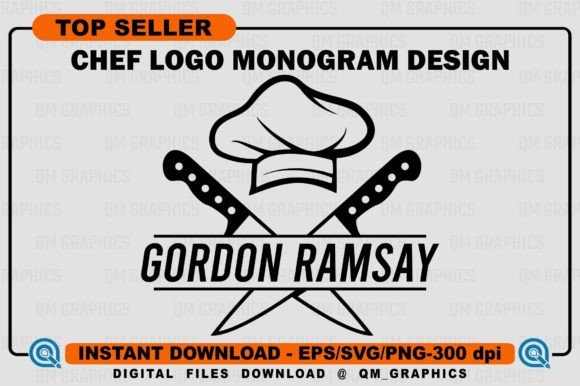
The visual personality of this embroidery file leans heavily into playful professionalism. A chef hat, by nature, is iconic. It signals culinary expertise, but when rendered as a cute applique or a stylized cut file, it signals fun. This design doesn’t try to be a hyper-realistic portrait of a toque blanche; instead, it captures the essence of the shape—full, rounded, and recognizable.
For an applique design, this works exceptionally well because the silhouette is distinct. Even if you simplify the details, the customer will know exactly what they are buying. It creates a mood that is warm, inviting, and slightly whimsical. It fits perfectly into the current trend of "cozy kitchen" aesthetics that dominate social media feeds right now. It feels less like a uniform and more like a lifestyle statement, which is exactly what drives engagement for small business owners selling personalized gifts.
Real-World Application: Where Does This Design Shine?
Let’s talk about real projects. I recently envisioned using this Chef Hat Svg Vector Cut File for Cricut on a heavy-duty canvas tote bag for a local bakery client. Why? Because the structure of the hat provides a nice focal point that balances out the empty space of a tote. However, the versatility here is where the value lies.
- Custom Apparel: Imagine this on a crewneck sweatshirt for a cooking class graduate. The soft curves of the hat contrast nicely with the structured shoulders of a sweatshirt, creating a comfortable yet stylish custom apparel piece.
- Kitchen Textiles: Tea towels and aprons are obvious choices, but don’t overlook pillow covers. A chef hat motif on a linen pillow cover adds a touch of farmhouse chic to a modern kitchen.
- Baby Embroidery: There is something undeniably cute about tiny chef hats on baby onesies or burp cloths. It taps into the "mini-me" trend that parents love. As long as the design is scaled down appropriately, it makes for a fantastic personalized gift.
- Commercial Embroidery: For restaurant merch, this design can serve as a logo placeholder or a fun accent on caps. It’s approachable enough for a casual diner but polished enough for a boutique brand.
The key here is adaptability. Whether you are producing a single handmade product for a friend or a batch of fifty for an Etsy seller inventory, this design scales well. It maintains its integrity whether it is a large chest print or a small pocket detail.
Technical Performance and Stitching Considerations
Now, let’s get technical. A beautiful vector is useless if it bunches up in the hoop. When evaluating this machine embroidery design, we have to consider stitch density and placement.
If you are using this as an applique design, the outer edge will likely require a strong satin stitch. You need to ensure your machine can handle the curve without skipping stitches. If you opt for a fill-stitch approach, watch out for the top of the hat. Large areas of fill stitch can sometimes create a "hill" effect that looks lumpy on thin fabrics. In those cases, reducing the stitch density or switching to a lighter underlay can make all the difference.
Thread colors matter immensely here. A white chef hat on a white shirt disappears. You need contrast. Think navy blue hats on white aprons, or bright red hats on black t-shirts. The thread colors you choose will dictate the visibility and impact of the final finished product. Always test your color palette against your actual fabric swatch before committing to a full run.
Pitfalls to Avoid: Where Caution is Needed
No design is perfect for every situation. There are specific scenarios where you should think twice before running this file through your machine.
- Small Hoop Sizes: If you are working in a 4x4 hoop, you might find the hat takes up too much vertical space, leaving little room for text or other elements. It can feel cramped and cluttered.
- Textured Fabrics: While it looks great on smooth cotton or canvas, textured fabrics like boucle or heavy tweed can hide the details of the hat. The stitch definition gets lost in the fabric weave.
- Stretchy Fabrics: Knits and stretchy blends can distort the shape of the hat during stitching, causing it to pucker. If you must use these fabrics, a proper stabilizer is non-negotiable.
- Detailed Corners: If the design includes tiny decorative elements around the base of the hat, inspect them closely. On some machines, tiny running stitch details can break easily during trimming.
Also, consider the end-user. If this is for a commercial item that will be washed frequently, ensure the design is robust. Delicate edges wear faster than solid blocks of color. For high-wash items like kitchen towels or work aprons, simpler designs tend to age better.
Designer’s Checklist Before You Stitch
Before you upload this digital embroidery file to your machine, follow these practical steps to ensure success:
- Test on Scrap Fabric: Never trust a screen. Stitch it out on the exact fabric you plan to use. Check for puckering, thread breaks, and color accuracy.
- Check Stabilizer Compatibility: Heavy designs need heavy stabilizers. Make sure your backing matches the weight of your project.
- Inspect Small Details: Zoom in on the vector. Are there any overlapping lines that might cause confusion for the digitizing software? Clean up any unnecessary nodes if needed.
- Verify Licensing: This is crucial for anyone selling their work. Confirm whether this file allows for commercial use on finished goods. Selling craft business items without the right license can lead to serious legal issues.
- Create Mockups: Use a printable mockup to see how the design looks in context. Does it fit the vibe of your brand? Does it look professional next to other elements?
Final Verdict
The Chef Hat Svg Vector Cut File for Cricut is a solid, versatile asset for any crafter’s library. It strikes a good balance between simplicity and charm, making it suitable for a wide range of projects from baby embroidery to holiday embroidery gifts. It’s not groundbreaking, but it is reliable. For the small shop product owner, it offers a low-risk, high-reward option that appeals to a broad audience. Just remember: the quality of your final output depends entirely on your preparation. Choose your fabrics wisely, respect the stitch limits, and always prioritize clarity over complexity. When done right, this design can turn a simple piece of fabric into a cherished keepsake.