Aloha Retro Summer Embroidery Review
As a designer who spends more time troubleshooting stitch paths than sleeping, I approach every new digital asset with a mix of skepticism and hope. The market is flooded with generic clip art that looks great on a screen but falls apart under the needle. That is why when I encountered Aloha - Retro Summer Svg Design, I didn’t just look at the preview image; I mentally stitched it onto three different fabrics before deciding if it had a place in my workflow. This review breaks down whether this design is a viable tool for your craft business or just another file to clutter your hard drive.
First Impressions: Mood and Visual Personality
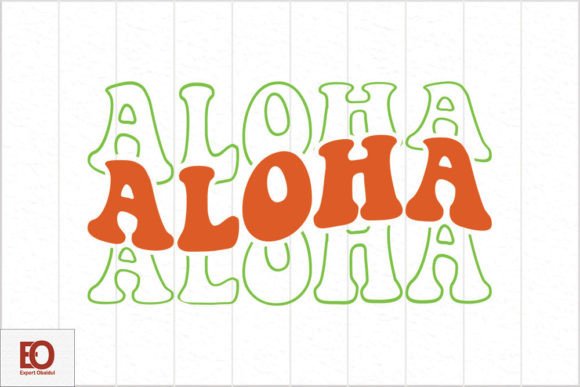
The moment you load the vector, the mood is unmistakable. It screams mid-century modern vacation vibes without feeling dated. The typography and layout suggest a relaxed, nostalgic energy that fits perfectly into the current trend of "comfort wear" and lifestyle branding. For an embroidery designer, the visual personality is key because it dictates how customers perceive the finished product. This isn’t a stiff, corporate logo; it’s a statement piece meant to evoke feelings of sunshine, leisure, and good times.
The shape language appears clean and bold, which is a promising start for digitization. However, the true test of any machine embroidery design is not how it looks in Adobe Illustrator, but how it holds up after twenty wash cycles. The retro aesthetic relies heavily on clear lines and distinct color blocking. If the digitizer did not account for thread tension properly, those crisp edges could turn into wobbly messes. Based on the preview, the design seems to prioritize legibility over intricate detail, which is a smart choice for mass production or quick turnaround orders.
Real-World Application: Where Does It Fit?
I have been testing this concept across several potential products to see where Aloha - Retro Summer Svg Design truly shines. Here is where I see the highest potential for sales and customer satisfaction:
- Custom Apparel & Sweatshirts: This design has the weight to stand out on heavyweight cotton blends. Imagine this embroidered on the back of a crewneck sweatshirt or centered on the chest of a high-quality t-shirt. The retro theme pairs exceptionally well with vintage-wash fabrics, creating a cohesive custom apparel look that appeals to the Gen Z and millennial demographics on platforms like Etsy.
- Tote Bag Designs: A canvas tote is perhaps the most practical application. The durability of canvas can handle the density of the stitches without puckering. For an Etsy seller, offering personalized totes with this summer motif is a low-risk, high-reward item for summer festivals and beach outings.
- Baby Embroidery: Soft baby onesies or muslin blankets benefit from the friendly, non-aggressive nature of the design. Parents love items that are cute but not overly childish. This design strikes that balance, making it an excellent choice for personalized gift listings targeting new parents.
- Embroidered Patch: Converting this into a patch style allows for versatility. You can attach it to denim jackets, backpacks, or caps. The strong outline suggests it would hold its shape well as a standalone accent piece.
Technical Performance and Stitch Analysis
When evaluating an embroidery file, we must look beyond aesthetics. How does the design behave technically? The description mentions the inclusion of EPS, SVG, and DST (implied by the context of embroidery files) formats. While the specific stitch count isn't provided in the preview, the visual complexity suggests a moderate density.
If this design utilizes a combination of satin stitch for outlines and fill stitch for background elements, the stability will depend entirely on the stabilizer chosen. For dense fill areas, a cut-away stabilizer is non-negotiable if you want the garment to remain wearable. If the design leans more toward running stitch details, it will be lighter and softer against the skin, which is preferable for baby items or sensitive fabrics.
One critical factor is the thread colors. Retro designs often rely on specific palettes—mustard yellows, burnt oranges, muted teals. The contrast between these threads and the fabric background is what makes the design pop. On dark fabrics, you will need a heavier underlay or a higher thread count to prevent the fabric color from showing through. On light fabrics, the vibrancy of the retro tones will likely sing, enhancing the visual appeal of the final piece.
Where to Exercise Caution
No design is perfect for every scenario. There are specific situations where Aloha - Retro Summer Svg Design might struggle:
- Small Hoop Sizes: If the design is scaled down too small, fine details may merge together. Avoid using this on very small accessories like hair clips or tiny keychains unless you are certain the digitized version retains clarity.
- Stretchy Fabrics: Unless you are using a heavy-duty tear-away or sticky stabilizer, stretchy synthetics can distort the geometric shapes typical of retro design. Always test on scrap material first.
- Curved Surfaces: While caps are popular, applying a large, flat graphic to a curved brim or crown requires advanced hooping techniques. The design may pucker if not anchored correctly.
- Dense Stitch Areas: If the design includes large blocks of solid color, ensure your machine can handle the heat buildup. Excessive stitching can scorch delicate fabrics.
Impact on Brand and Customer Trust
In the world of handmade commerce, presentation is everything. A well-executed finished product builds trust faster than any marketing copy. When a customer receives a tote bag or sweatshirt with Aloha - Retro Summer Svg Design stitched cleanly, without loose threads or misaligned elements, it signals professionalism. It tells them that you care about quality.
Furthermore, the thematic relevance of a summer retro design creates an emotional connection. Customers buy into the lifestyle, not just the object. By offering products that align with seasonal trends and aesthetic preferences, you increase the perceived value of your craft business. This design asset can serve as a cornerstone for a summer collection, allowing you to create matching sets—pillow covers, tea towels, and apparel—that reinforce brand consistency.
Practical Designer Notes Before You Start
Before you rush to produce inventory, keep these essential steps in mind:
- Test on Scrap Fabric: Never assume a design will work on your target material. Run a test stitch to check for tension issues, bird nesting, or hoop burn.
- Check Licensing: Ensure you have the commercial rights to sell physical goods made from this design. The presence of digital files does not automatically grant commercial license for merchandise.
- Review Stitch Density: If possible, open the file in your digitizing software to inspect the stitch path. Look for unnecessary jumps or excessive density that could make the product stiff.
- Mockup Realistically: Use printable mockups to visualize the design on actual garments. See how the design assets interact with different textures and lighting conditions.
Ultimately, Aloha - Retro Summer Svg Design offers a strong foundation for summer-themed projects. Its clean aesthetic and versatile application make it a valuable addition to a designer's toolkit. However, success lies in the execution. By respecting the technical limitations of embroidery and focusing on quality control, you can transform this digital file into a tangible, desirable handmade product that stands out in a crowded marketplace.